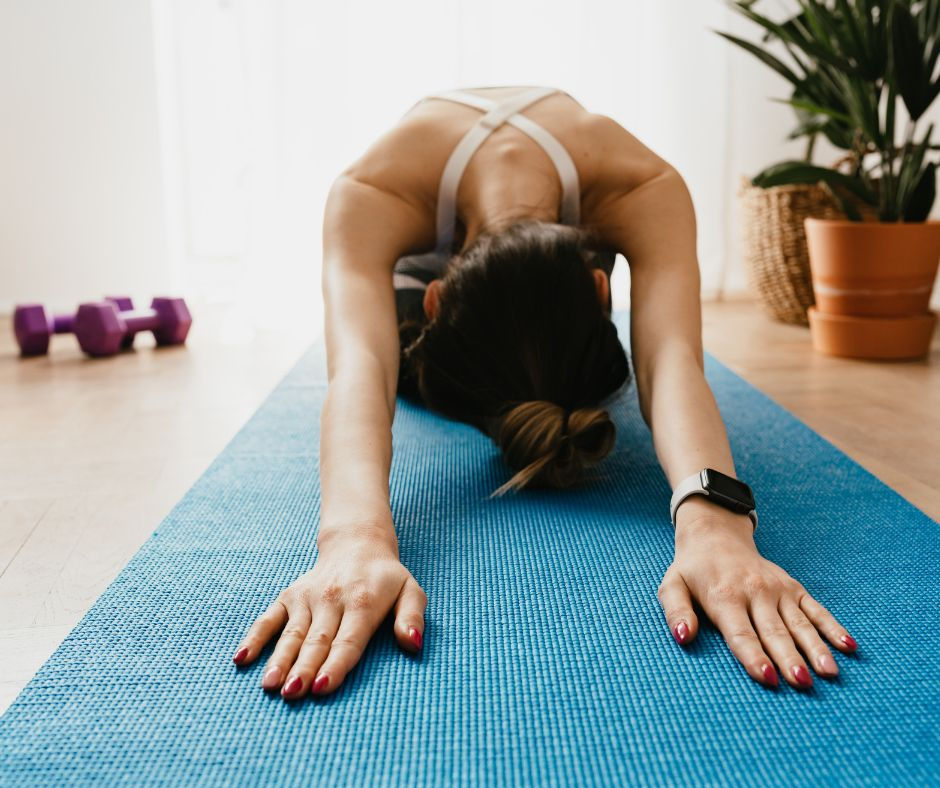
Feeling Stiff? 5 Ways to Keep Moving This Winter

As temperatures drop here in New Hampshire, you may notice that your body feels a little stiffer than it did during the warmer months. Maybe your knees feel tight when you first get out of bed, your shoulders seem more tense, or it takes a little longer to loosen up in the morning.
If this sounds familiar, you're certainly not alone!
According to Harvard Health Publishing, cold weather can reduce blood flow and oxygen delivery to muscles in the arms and legs, contributing to stiffness and fatigue.¹ Research involving hundreds of people with arthritis has also linked certain weather conditions to increased joint discomfort, although scientists are still investigating exactly why.²
The good news? A few simple habits can help you stay comfortable, flexible, and active throughout the winter.
Why Our Bodies Get Tighter in Cold Weather
Cold temperatures aren't the only reason your body may feel tighter during winter. Changes in your everyday activities can also play a role.
Think about how your routine changes between summer and winter. During warmer months, you might spend more time gardening, walking, swimming, or simply moving around outside. When winter arrives, those activities may be replaced by more time sitting, reading, watching television, scrolling on your phone, or working at a computer.
Spending long periods in one position can leave your hips, back, neck, and shoulders feeling tight. Over time, a less active lifestyle can also affect muscle strength, flexibility, and balance. That's why it's especially important to make movement a part of your daily routine, even when you'd rather stay curled up under a warm blanket!
>RELATED READING: Why You Should Stretch Every Day
Five Ways to Keep Your Body Moving When It’s Cold Outside
You don't need an intense workout routine to keep your body moving. Small, consistent efforts can make a meaningful difference in how you feel.
1. Start Your Day with Gentle Stretching
Before jumping into your morning routine, spend a few minutes gently moving your body. Try shoulder rolls, slow neck movements, ankle circles, or easy stretches for your arms and legs.
Avoid forcing a stretch or pushing through pain. The goal is to gently wake up your muscles and joints, not strain them.
2. Take Frequent Movement Breaks
If you spend long periods sitting, make a habit of getting up every 30–60 minutes. Walk around the house, stretch your arms overhead, or simply stand and change positions.
These little breaks help interrupt prolonged sitting and can keep your body from feeling quite so stiff.
3. Find Ways to Stay Active Indoors
You don't have to brave the cold to stay active! Walking indoors, practicing gentle yoga, dancing to your favorite music, or following an exercise video are all great ways to keep your body moving.
Choose activities you enjoy. You're much more likely to stick with activities that are fun than ones that feel like another chore.
4. Warm Up Before Heading Outdoors
Whether you're shoveling snow, taking a winter walk, or running errands, give your body a chance to warm up first. A few minutes of marching in place, walking around the house, or gently moving your arms and legs can help prepare your muscles for activity.
And remember, snow shoveling can be strenuous. Take breaks, avoid overexertion, and ask for help when needed.
5. Make Time for Recovery and Relaxation
Staying active is important, but so is giving your body time to recover.
Prioritize adequate sleep, enjoy a warm bath or shower, and set aside time for activities that help you relax. Gentle stretching and massage can also be valuable additions to your self-care routine.
How Massage and Assisted Stretching Can Help
As a licensed massage therapist, I've seen how everyday activities, stress, and changes in movement habits can contribute to muscle tension and discomfort.
Massage therapy can help relax tight muscles, ease tension, and promote overall relaxation and well-being. For many people, it's a wonderful way to care for their bodies, especially during the colder months.
Assisted stretching is another option for people who want to work on flexibility and mobility. With guidance and gentle, individualized stretching, you can explore comfortable ways to improve your range of motion and address areas that feel particularly tight.
Whether you're active throughout the year or hoping to become more mobile, the right approach depends on your body's needs, comfort level, and goals.
Keep Moving, Keep Feeling Good!
Winter doesn't have to mean months of reduced activity and stiff muscles.
By making time for gentle movement, regular stretching, and activities that support your overall well-being, you can help your body stay comfortable and mobile throughout the colder months.
Remember, you don't need to make big changes all at once. Even a few minutes of intentional movement each day can be a great place to start.
If your body could use a little extra care this winter, I'd be happy to help you explore whether massage or assisted stretching is right for you.
Stay warm, stay active, and take good care of yourself this winter!
—Marilyn Nylen, LMT, AMBT
Massage Therapy, Assisted Stretching, and Personal Fitness Coaching in Concord, NH
Akasha Massage & Bodywork offers massage, assisted stretching, and personal fitness coaching to help ease muscle tension and improve flexibility and movement. Call (603) 225-0250 or request an appointment online.
References
Harvard Health Publishing. Essential Stretches to Fight Stiff Winter Muscles. November 2024.
Harvard Health Publishing. Can the Weather Really Worsen Arthritis Pain?. June 2020.